GNSS Antennas
Reliable GNSS positioning starts with the right antenna
GNSS Antennas
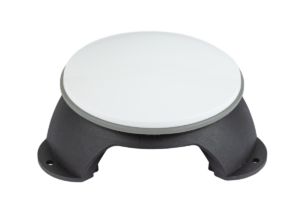
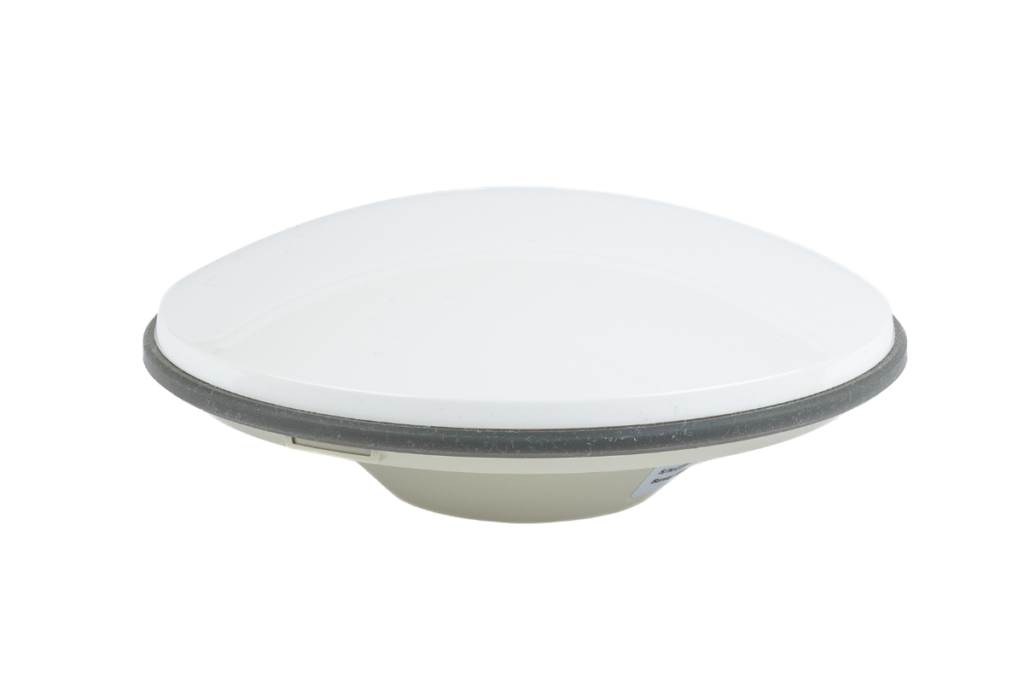
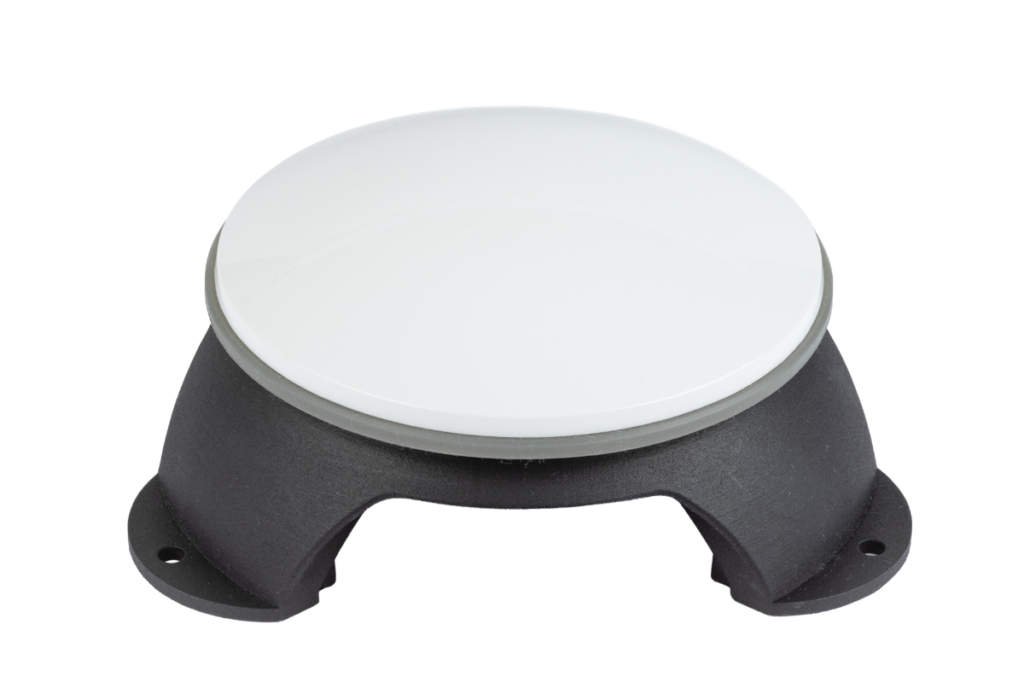
High-precision positioning starts with the right GNSS antenna. ANavS GNSS antennas are designed for RTK, PPP and multi-sensor navigation systems where stable signal reception, multipath suppression and a stable phase center are critical for accurate positioning.
GNSS Antennas
Even the best GNSS receiver cannot compensate for poor signal quality. Multipath reflections, weak satellite visibility, interference and unsuitable antenna selection can significantly reduce positioning accuracy, RTK performance and overall system reliability.
ANavS offers a range of high-performance GNSS antennas designed to maximize signal quality and positioning accuracy in demanding environments. With advanced technologies such as multipath suppression, phase center stability and multi-constellation support, our antennas provide reliable GNSS reception for RTK, PPP and GNSS/INS applications.
To meet different application requirements, ANavS provides carefully selected antenna solutions from trusted manufacturers such as Harxon, Tallysman and NovAtel, ensuring the right balance of performance, accuracy and reliability for every project.
Why ANavS GNSS Antennas Deliver Superior Performance
| Feature | Solves | Benefit |
| Multipath Suppression | Reflected GNSS signals | Higher positioning accuracy |
| Phase Center Stability | Measurement inconsistencies | Repeatable RTK and survey results |
| Multi-Constellation Support | Limited satellite visibility | Higher availability and reliability |
| High Gain | Weak GNSS signals | Stable positioning performance |
| Low Noise Amplifier | Signal noise | Better signal quality and faster RTK convergence |
| Survey-Grade Design | Accuracy limitations | Professional-grade precision and long-term stability |
Trusted GNSS Antenna Partners
Antonics GNSS Antennas
Antonics railway-certified GNSS antennas are designed for safety-critical rail and vehicle applications where long-term reliability and compliance are essential. Certified according to EN 50155 and supporting all major GNSS constellations and multiple frequency bands, they provide robust positioning performance in demanding environments. Combined with the Antonics railway-certified low-loss coaxial cable, the system ensures reliable signal transmission and maximum installation safety for railway and industrial vehicle applications.
Calian GNSS Antennas
Calian GNSS antennas are designed for high-precision positioning, navigation, and timing applications. Featuring advanced technologies for multipath mitigation and stable phase center performance, they are ideal for geodesy, surveying, machine control, and autonomous systems. Available in a wide range of models, Calian antennas deliver reliable, high-quality GNSS performance in demanding environments.
Harxon GNSS Antennas
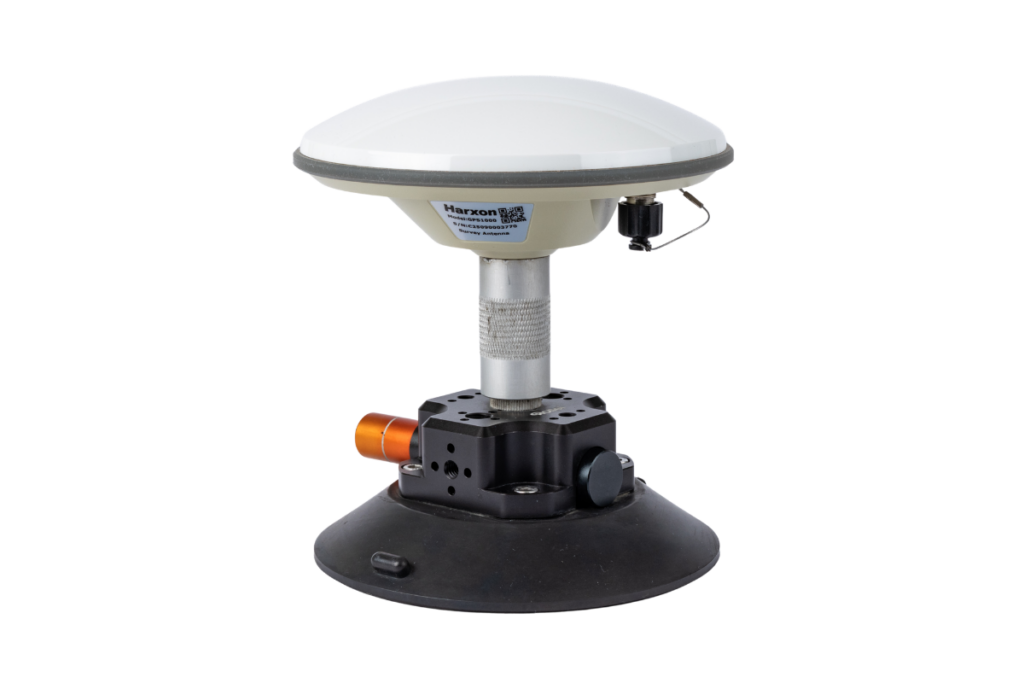
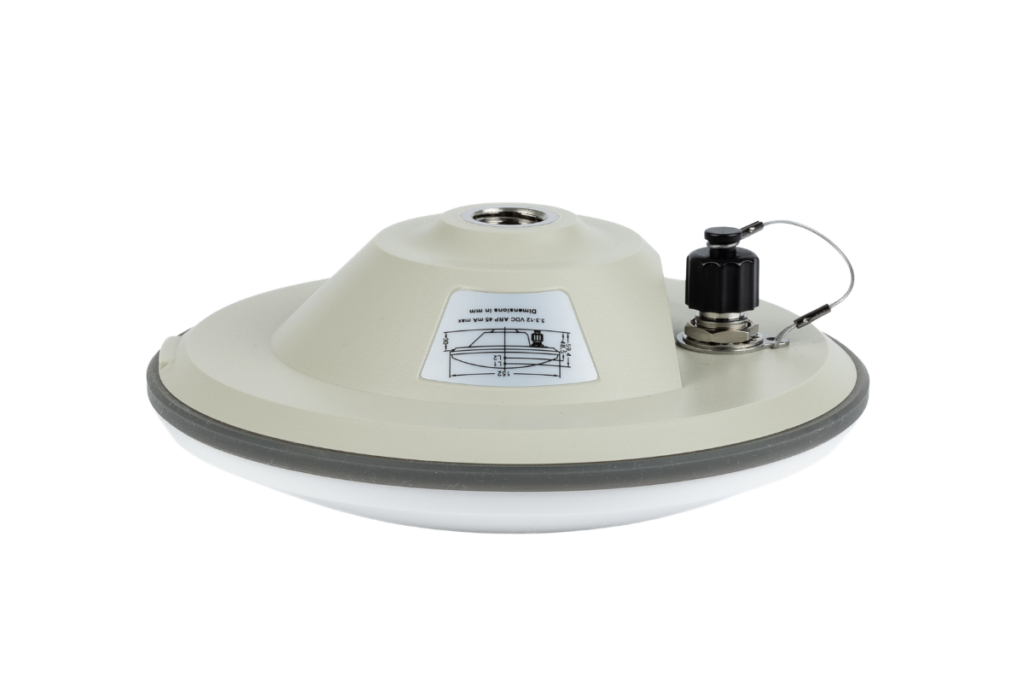
Harxon antennas provide a cost-effective solution with stable, multi-constellation support. They are the most affordable option, delivering robust performance in challenging environments.
NovAtel GNSS Antennas
NovAtel antennas, the premium option, are engineered for extreme conditions with top-tier multi-frequency support and interference protection, excelling in industrial applications where precision is paramount.
Tallysman GNSS Antennas
Tallysman antennas are known for their precision and multi-frequency capabilities, making them ideal for applications like geodesy and precision agriculture. Positioned as mid-range in price, they offer reliable performance with advanced filtering technology for high-interference areas.
Each of these antennas can be integrated with our GNSS-INS solutions to enhance performance and meet your specific navigation needs. For more information on these antennas and to find the right fit for your application, please contact us.
Why the antenna is just as important as the GNSS receiver
Even the best GNSS receiver cannot achieve centimeter-level positioning if the antenna introduces signal errors.
ANavS antennas are designed to provide
- stable phase center characteristics
- excellent low-elevation satellite tracking
- effective multipath suppression
- high gain across multiple GNSS frequencies
- reliable operation in harsh environments
This ensures reliable RTK positioning even in demanding applications such as autonomous vehicles, surveying, robotics and infrastructure monitoring.
Comparison: Dual vs. Triple Frequency
Feature | Dual Frequency | Triple Frequency |
GPS | L1/L2 | L1/L2/L5 |
Galileo | E1/E5 | E1/E5a/E5b/E6 |
GLONASS | L1/L2 | L1/L2/L3 |
BeiDou | B1/B2/B3 | B1/B2/B3 |
QZSS | No | L1/L2/L5/L6 |
L-Band | No | Yes |
Typical Use | Robotics, UAV, RTK | Surveying, Reference Stations, Autonomous Systems |
Recommended Antenna by Application
| Application | Recommended Antenna | Why? |
| RTK Positioning | Triple Frequency | Provides maximum positioning accuracy, stable carrier-phase measurements and fast RTK convergence. |
| Surveying & Mapping | Triple Frequency | Designed for high-precision measurements and long-term measurement stability. |
| Reference Stations | Triple Frequency | Supports continuous high-accuracy operation with excellent phase center stability. |
| Autonomous Vehicles | Triple Frequency | Delivers reliable positioning and robust GNSS performance for sensor fusion and autonomous navigation. |
| Railway Applications | Triple Frequency | Ensures stable positioning in demanding environments with high reliability requirements. |
| Mobile Mapping | Triple Frequency | Improves positioning accuracy for mapping and data acquisition vehicles. |
| Robotics | Dual Frequency | Offers an excellent balance of accuracy, size and cost for robotic systems. |
| UAV & Drones | Dual Frequency | Lightweight design with reliable RTK performance for aerial applications. |
| Precision Agriculture | Dual Frequency | Enables accurate guidance and positioning for agricultural machinery. |
| General GNSS Applications | Dual Frequency | Cost-effective solution for reliable high-precision positioning. |
Quick overview
Products
Equipped for every situation with the need of high-precise positioning & navigation:
AI-ROX, A-ROX, G-ROX, MSRTK, Snow Monitoring and M.2 SMART Card.
R&D Projects
Our R&D team is constantly working on researching, developing and implementing new technologies to master the challenges of tomorrow.
Publications
Our publications are varied, provide well-founded findings and present innovative solutions: Journal and Conference papers, Patents and Theses